How to Draw Realistic Animals with Colored Pencils: A Beginner’s Guide
Welcome, aspiring artists, to a journey into the captivating world of not only how to draw faces. Additionally, welcome into a look at how to draw realistic animals with colored pencils! Whether you’ve just picked up your first set of colored pencils or you’re looking to refine your skills, I’m happy to inspire you. Today, we’ll be diving into the remarkable artwork of Katies Artworks, a talented artist whose colored pencil creations, particularly her animal portraits, offer a treasure trove of lessons for beginners. I was happy to discover her work during a browse through the art groups of Reddit. My goal is to explore the techniques behind her incredibly realistic style which reveals how to draw faces. As a result, you will gain practical, beginner-friendly takeaways that you can apply to your own artistic endeavors.
How I prepare a drawing to be shipped : )
byu/KatiesArtworks inColoredPencils
Getting to Know the Artist: The World of u/KatiesArtworks
Consistently impressive, Katie demonstrates her dedication as a skilled artist of lovable furry animals. She’s a Professional animal artist who represents a commitment and expertise in this specific artistic niche. In fact, you can find samples of her work across various subreddits dedicated to specific animal types. Her focused dedication to drawing reflects the exceptional realism she achieves in her portraits. Most notably, Katie’s artistic focus allows for repeated study and nuanced understanding of various animal features, textures, and expressions. Want to know how to draw a cat or step-by-step how to draw a dog? Studying Katie’s work offers valuable insight for the aspiring artist.
How Katie Showcases & Markets Her Art
Beyond simply sharing her artwork, u/KatiesArtworks actively engages with the Reddit community. Surprisingly, she also often responds to comments and answers questions about her work. This openness and willingness to connect with others suggest a community-oriented approach to her craft. Furthermore, Katie’s openness to commissions, as indicated in several posts and comments, reveals a level of skill and confidence that has garnered market value. She even provides her email address, katiesartworks@gmail.com, for commission inquiries. The presence of an Instagram account linked in her Reddit profile further suggests a multi-platform approach to showcasing her art and connecting with a wider audience. This professional aspect can serve as an inspiring example to you as a beginner. In fact, it demonstrates how consistency and skill development can eventually lead to greater opportunities.
First Impressions of Katie’s Art
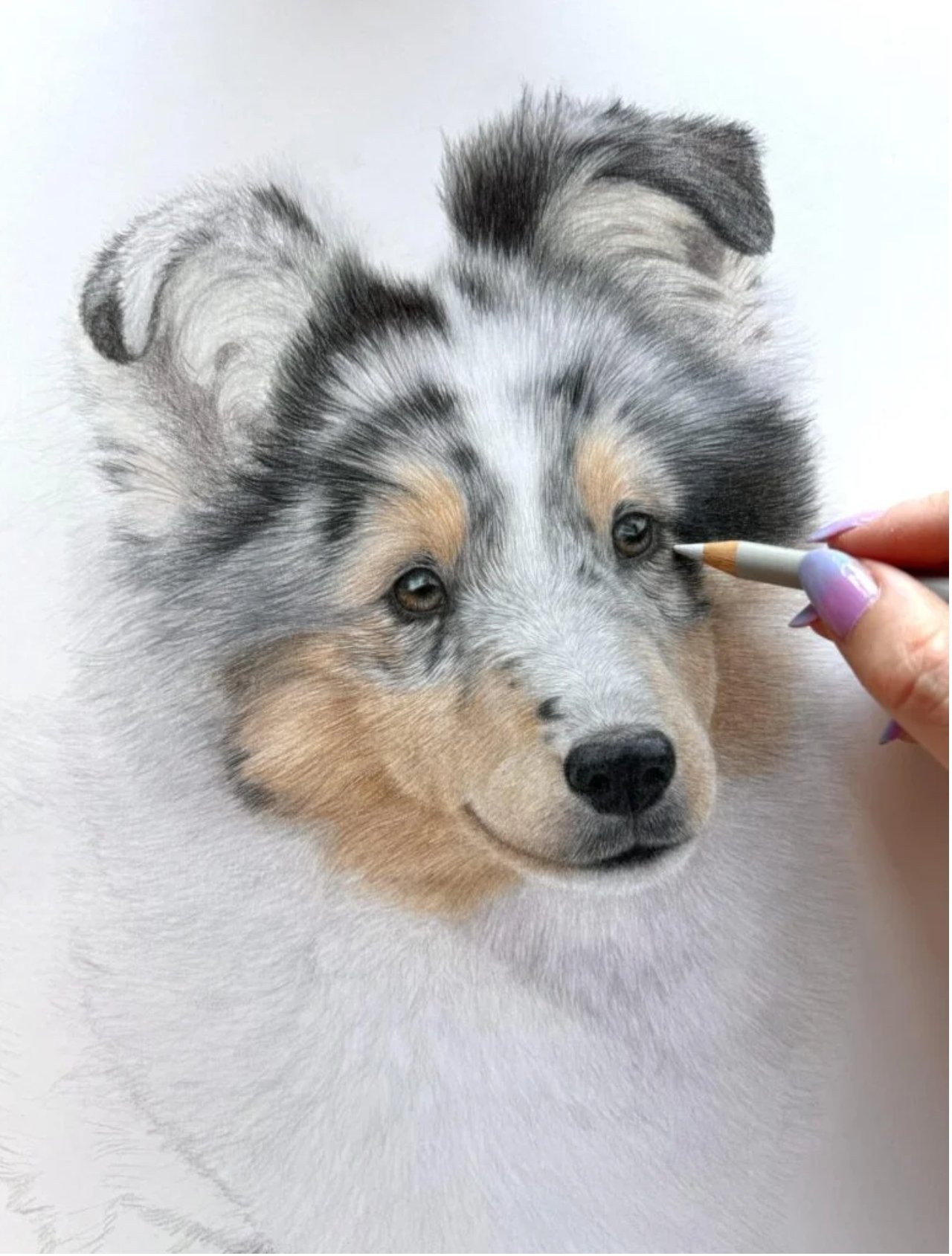
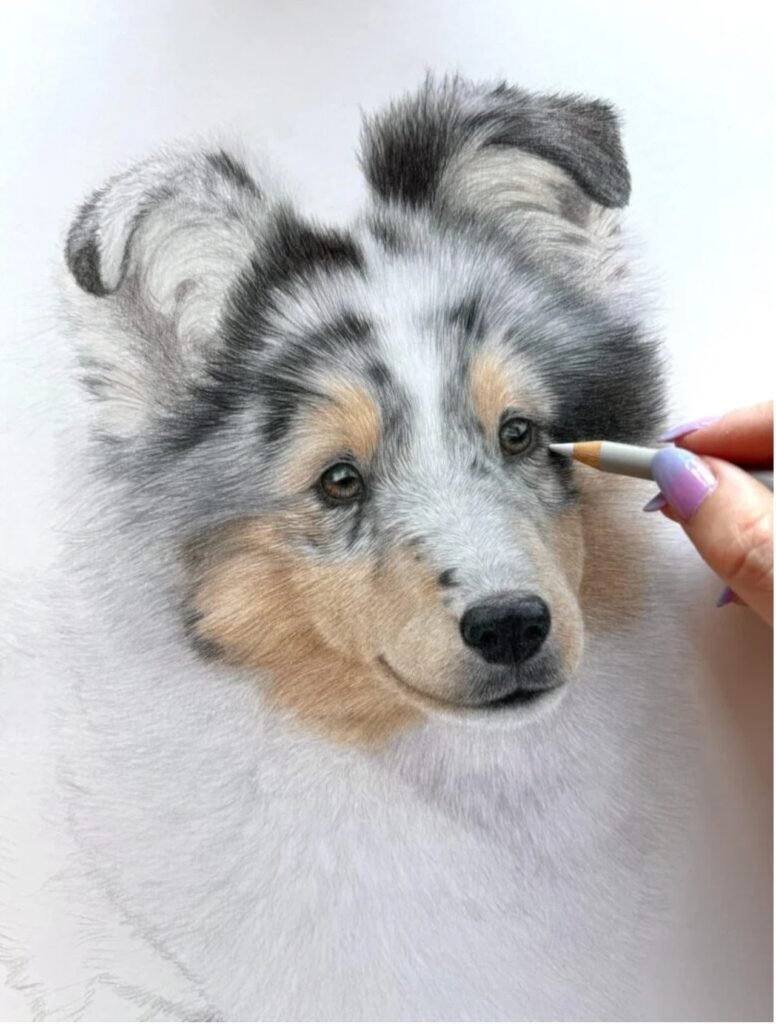
As a realist portrait artist, I was instantly impressed by Katie’s attention to detail and command of the colored pencil. It took me back to my days of drawing and shading with colored pencil as an illustration student at The School of Visual Arts NYC. A recurring theme in the comments of Reddit is the astonishing level of realism achieved in her colored pencil drawings. It’s no surprise that many viewers initially mistake them for actual photographs. This immediate reaction speaks volumes about Katie’s technical skill in rendering fine details, capturing the subtle interplay of light and shadow, and accurately depicting various textures. Learning how to draw realistic animals with colored pencils like Katie is achievable with time and practice.
A Look Into Katie’s Approach Of How To Draw Realistic Animals With Colored Pencils
Specific aspects of Katie’s work gains high praise from the spectators, and rightfully so. For instance, she’s got an ability to use “soft application of pigment”. Amazingly, this application contributes to the smooth and lifelike quality of her drawings. u/KatiesArtworks also has a knack for capturing the unique charm and personality of the animals she portrays. From my observation, it appears that she relies heavily on layered strokes. For instance, Katie meticulously layers strokes of color that eventually build into beautiful shades and vibrant tones. With line strokes, she’s able to replicate the details of fur accurately on each animal she portrays.
Learning As a Beginner To Colored Pencil Drawing
You are witnessing a stellar example of learning how to draw realistic animals with colored pencils. In addition, the deeply positive and often emotional responses to Katie’s animal portraits is profound. They suggest that choosing subjects with personal significance results in captivating artwork. Praise for her work is likely due to the inherent emotional connection people often have with animals. Academically, her linework, perception of edges and distinction of value are fundamental aspects of art technique to learn from.
Deconstructing the Art: How To Draw Realistic Animals With Colored Pencils for Beginners
Carefully study the techniques that contribute to the impressive realism in u/KatiesArtworks’ animal portraits. In order to gain the best results using colored pencils, it is crucial to understand how she and this medium works. Bear in mind, this unique art tool can be used in numerous ways to portray your own style. By learning how to draw realistic animals with colored pencils you will soon wow people like Katie.
The Foundation: Colored Pencils and Paper
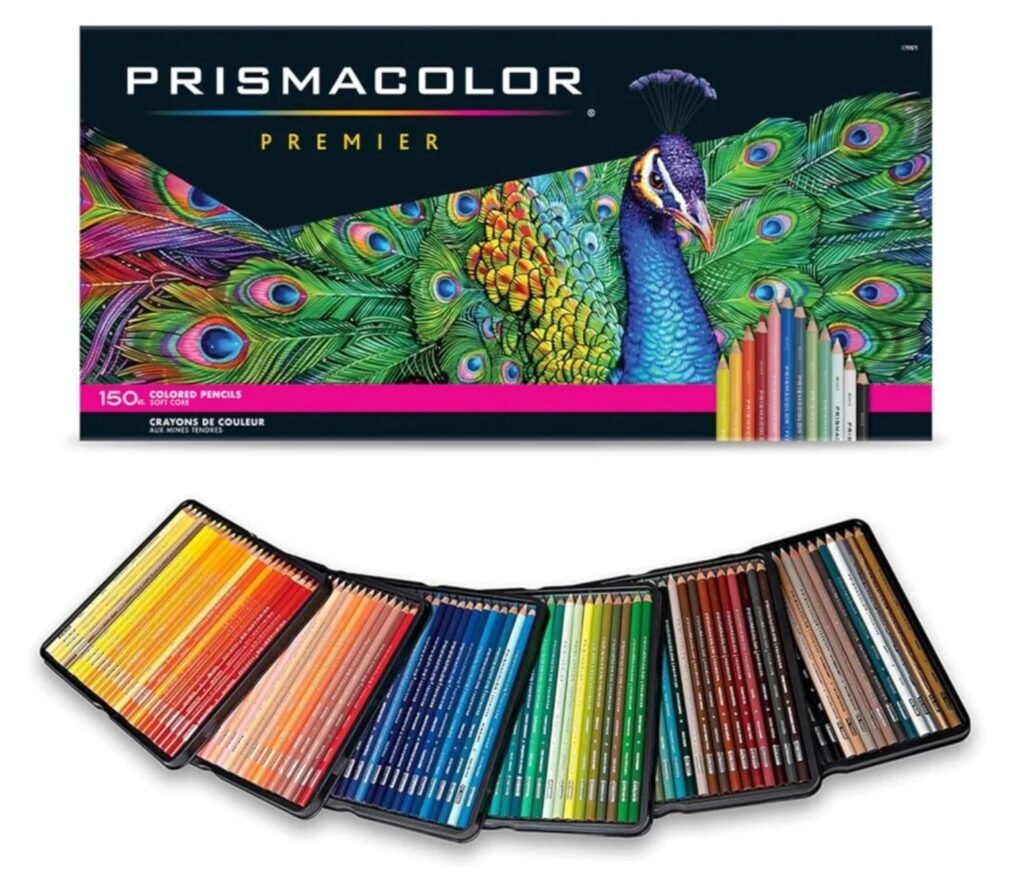
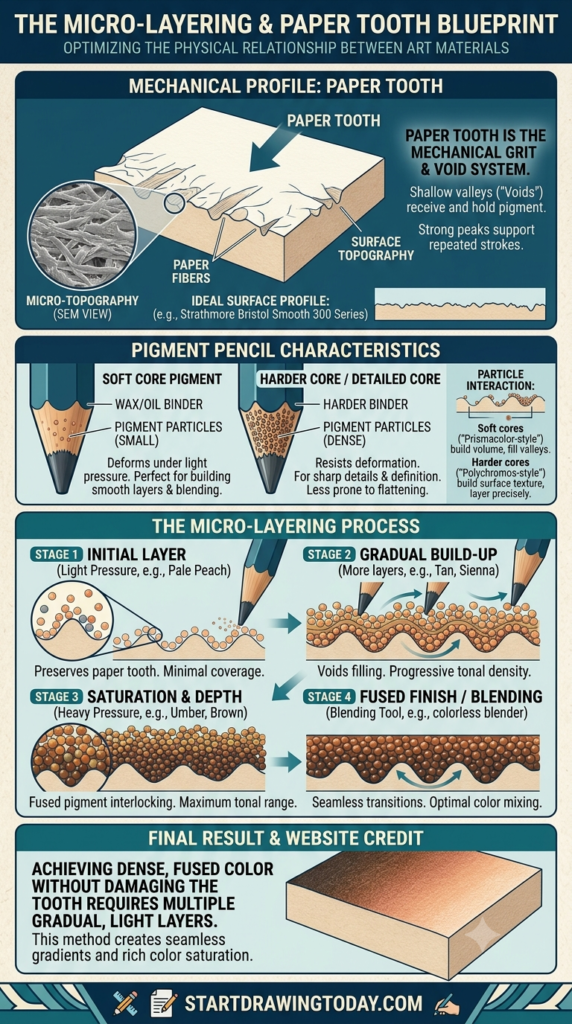
Without a doubt, the primary medium and mastered tool employed by u/KatiesArtworks is the colored pencil. She has specifically mentioned using Prismacolor pencils. This pencil is a popular choice among colored pencil artists based on it’s soft, blendable cores and wide range of colors. Prismacolor pencils are often favored for achieving smooth transitions and detailed work. When I used them, I achieved smooth transitions using by building multiple layers of color on paper. Beginners might find it beneficial to start with this particular tool to facilitate your learning process. For paper, u/KatiesArtworks has mentioned using Strathmore Bristol smooth paper. This type of paper is known for its smooth surface, which allows for fine details and even application of colored pencil.
The Importance Of Layering While Shading With Colored Pencils
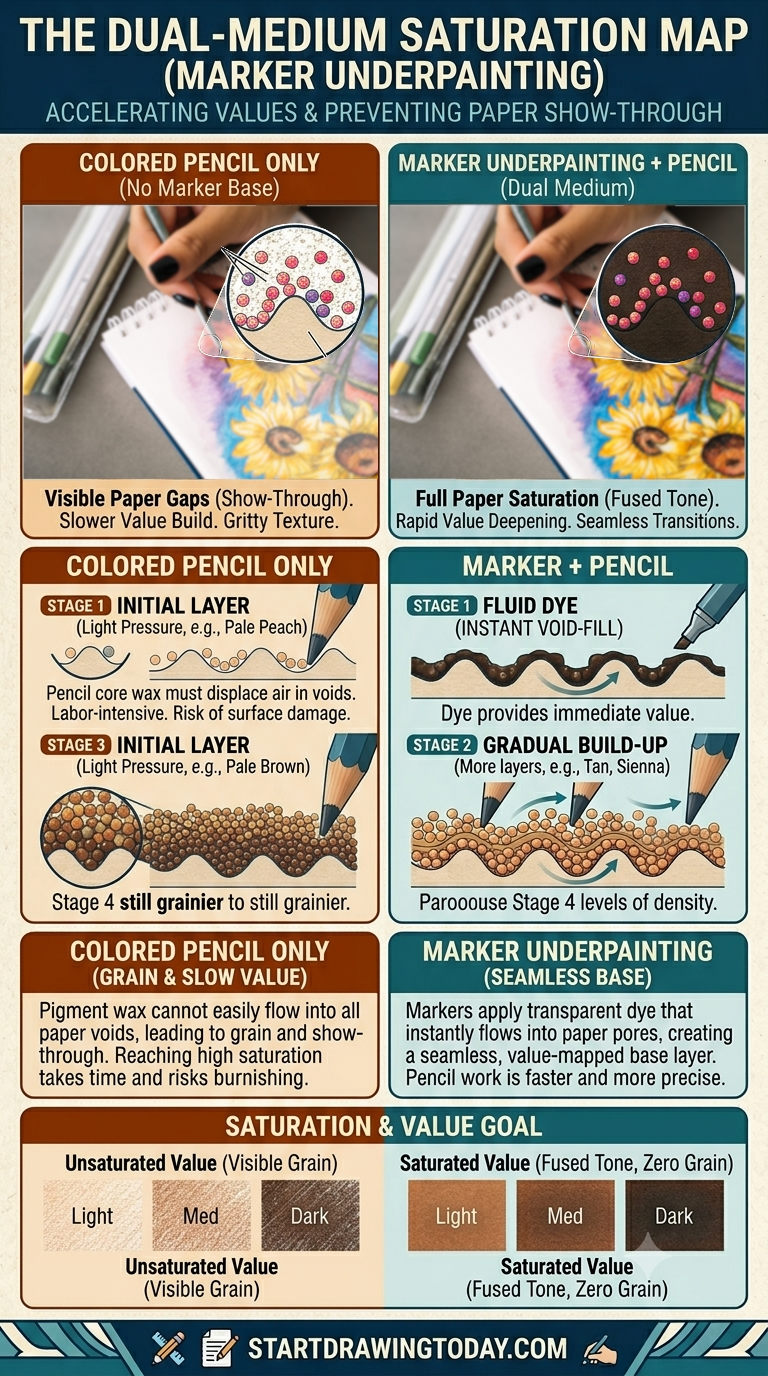
Previously on Reddit, u/KatiesArtworks mentioned using a marker as a base layer underneath the colored pencil. This technique allows her to rapidly build color in dark or highly saturated areas. Achieving rich saturation with colored pencils alone often requires significant layering and blending. This demonstrates her intimate understanding of how different media can be combined. When used in combination, colored pencil allows you to achieve great effects. Therefore, as a beginner experiment with various underpainting techniques. For instance, use light washes of watercolor or diluted ink, to see how they influence the subsequent colored pencil layers.
The Magic of Light and Shadow (Value)
A key element in creating realistic portraits is the effective use of light and shadow, also known as value. Values are beautifully portrayed in Katie’s art, resulting in praise from her fans. In fact, they note the “dramatic lighting” in the context of her portraiture in general. Consistently, Katie receives comments about her drawings appearing “real” or “like a photograph”. This realism strongly supports her mastery of creating a three-dimensional effect. In practice, realism using colored pencils is achieved through skillful manipulation of light and shadow.
How To Achieve Realistic Light and Shadow Effects Using Colored Pencils
Firstly, beginners should focus on carefully observing the light source and accurately rendering the highlights (the lightest areas). Secondly, work on the mid-tones, and shadows (the darkest areas) of the subject. Follow these methods as Katie would as she creates her artwork. General colored pencil techniques that can be helpful for this include layering colors gradually. Layering color results in the illusion of depth on paper. In addition, vary the pressure applied to the pencil to create different tones, and exploring techniques like hatching (parallel lines) and cross-hatching (intersecting lines) to build up shadows and textures.
Refine Forms & Create The Illusion Of Depth
Some artists also find success in using complementary colors for shadows to add depth and realism. The realism of of u/KatiesArtworks indicates a keen observation of how light interacts with different surfaces. For example, the smooth sheen of fur or the subtle contours of an animal’s face. As a beginner, practice drawing simple three-dimensional forms. To start, draw and shade spheres and cubes under a single light source. This standard practice of art will refine your ability to convey depth and form accurately. Achieving depth is one of the most exciting aspects of learning how to draw realistic animals with colored pencils.
Capturing the Likeness: Proportion and Accuracy
Katie consistently displays excellence in her portraits, demonstrating how to draw realistic animals with colored pencils. Profoundly, she demonstrates a strong understanding of proportion and anatomy. Achieving an accurate likeness like her requires careful observation. Study includes observing the subject’s unique features and how they relate to each other spatially. For beginners, practicing drawing from reference photos is crucial. Paying close attention to key measurements and the overall proportions of the subject is essential. Some helpful techniques include using grid lines to transfer the image accurately. In addition, try starting with basic geometric shapes to establish the foundational structure of the portrait.
Where Do I Begin With Proportions?
Experience in observing the proportions of her subject allows Katie to create compelling and accurate animal portraits. For example, take a look at the progress of her cat face drawing above. As you can see, she began with a line drawing and gradually built up layers of strokes. Her drawing serves as the skeleton of her shading, which eventually results in the final artwork. In addition, her skills in animal portraits suggests a solid foundation in animal anatomy. Hence, studying basic animal anatomy can be beneficial to the learning artist. Academically, anatomy allows artists to better understand the underlying structures they are depicting. Below is a look at Katie’s work, a great example of how to draw realistic animals with colored pencils.
Finished cat drawing : ) colored pencil on Bristol smooth paper
by u/KatiesArtworks in cats
Focus on Features: Eyes, Nose, Fur, and More
The individual features within u/KatiesArtworks’ portraits are rendered with remarkable detail and realism. As a result, people often specifically mention the “soulful eyes” in her drawings and her lifelike quality. In order to achieve this type of detail, you’ve got to be observant. Drawing realistic eyes involves capturing the subtle highlights that bring them to life. Moreover, observing the variations in color and tone within the iris and pupil is necessary. Adding a final highlight, often with white pencil or even a white gel pen, is crucial for achieving that realistic sparkle. With that said, study Katie’s approach to defining the lights and darks of the eye. For example, her work demonstrates care of creating shapes, layering, depth and dimension.
Achieving Realistic Details & Interpreting Texture
The detailed rendering of fur is another hallmark of Katie’s style. Repeatedly, her viewers comment on how “insanely realistic” it appears. Her art is so real that her fans have expressed how they can “feel all the little hairs”. Drawing realistic fur with colored pencils like Katie involves a variety of techniques. A common piece of advice is to always stroke your pencil in the direction of the hair growth. Use short, flicking strokes for short fur and longer. In contrast, using more flowing strokes for longer fur can help to create the illusion of texture. Layer different colors to represent the variations in the fur’s tone rather than trying to draw every single hair. Beyond eyes and fur, Katie also pays close attention to other features. Most notably, the texture of noses, the subtle details in ears, and the overall form of the animal. Combined, all of this observation contributes to the lifelike quality of her work. Without a doubt, her approach is key to creating a compelling and realistic portrait.

Tools, Materials & More Techniques For Learning How To Draw Realistic Animals With Colored Pencils
As previously mentioned, Katie utilizes Prismacolor pencils and Strathmore Bristol smooth paper. The importance of keeping your pencils sharp is highly advised. I can personally attest to the need for pencil sharpness when drawing fine details and clean lines. Katie doesn’t explicitly mention using blending tools. However, the smooth transitional effects in her work suggest she likely employs them or another technique. Common blending tools for colored pencils include paper stumps, tortillons, and even colorless blending pencils. You can experiment with these tools to achieve smoother gradations between colors. Investing in quality artist-grade colored pencils and a good sharpener is a fundamental step, Especially for anyone serious about learning how to draw realistic animals with colored pencils.
The Creative Process: Observing Sketching and Construction
Thankfully, Katie shares timelapse videos that offer inspiration and insight into her creative process. These videos offer valuable insights into her workflow, including any initial sketching or construction lines she uses. My general advice for portrait drawing: start with a light under-drawing or sketch to establish the basic proportions and composition of the subject. This foundational step is crucial before adding layers of color and detail and demonstrated in Katie’s videos. Beginners should practice sketching her subjects lightly to ensure accurate placement and proportions before committing to colored pencils.
Techniques You Can Try: Beginner-Friendly Lessons from u/KatiesArtworks
To follow in the footsteps of Katie and employ general best practices for colored pencil portraiture, try these techniques:
- Hone Your Observation Skills: The remarkable realism shown in u/KatiesArtworks’ portraits underscores the critical role of careful observation. When working from a reference photo, take the time to truly study your subject. Pay attention to the subtle shifts in light and shadow, the nuances of color, and the textures of fur, skin, and other features.
- Embrace Layering: The smooth transitions and rich colors in her drawings are a testament to the power of layering colored pencils. Practice applying light layers of color, gradually building up the depth and intensity you desire. Remember that with colored pencils in particular, it’s much easier to add more color than to remove it.
- Master Fur Direction: For animal portraits, always pay close attention to the direction in which the fur grows. Use short, flicking strokes for areas of short fur and longer, more flowing strokes for longer fur. Overlapping these strokes will help create a more natural and less uniform appearance.
- Start with Simple Shapes: When beginning a portrait, try breaking down your subject into basic geometric shapes. This will help you establish the correct proportions and overall structure before you start adding details.
- Practice Individual Features: Dedicate practice time to drawing individual features like eyes, noses, and ears. Focus on capturing the specific details and understanding how light and shadow interact with these forms to give them a three-dimensional quality.
- Experiment with Underpainting: Consider trying a light underpainting technique using markers, watercolors, or even light layers of colored pencil in a similar or complementary color to your final layers. See how this affects the overall look and efficiency of your coloring process.
Artist’s Corner: Advice and Insights on How To Draw Realistic Animals With Colored Pencils from Katie Herself
A study of Katie’s path offers valuable insights into the artistic process, from creating art and the value of consistency, to becoming a professional artist:
- The fact that u/KatiesArtworks mentioned a current artwork taking over 15 hours highlights the significant time and dedication that goes into creating detailed colored pencil portraits. Beginners should understand that achieving high-quality results often requires patience and perseverance.
- When asked how they learned to draw so well, her simple reply of “years of practice” reinforces the fundamental truth that consistent practice is the most crucial element in improving any artistic skill.
- her active engagement with commenters on her posts suggests the value of being part of an artistic community, sharing your work, and being open to feedback and interaction with other artists. Beginners can benefit greatly from connecting with fellow artists for support and encouragement.
- By sharing her commission rates, u/KatiesArtworks provides a glimpse into the potential for turning artistic skills into a professional endeavor. This can be motivating for beginners as they progress on her artistic journey.
Conclusion: Your Journey Toward Learning How To Draw Realistic Animals With Colored Pencils
In conclusion, Katie serves as an inspiring example of what can be achieved with dedication and skill in colored pencil portraiture. Whenever you need inspiration, just visit her on IG or Reddit (and/or this blog post) to gain resources for learning how to draw realistic animals with colored pencils. Remember that the journey of learning art is a marathon, not a sprint. Embrace the process of observation, experimentation, and consistent practice. Just like Katie, with time and dedication, you too can unlock the secrets to creating stunning portraits. For ongoing inspiration, follow u/KatiesArtworks on Reddit and her Instagram account (linked in her profile) to continue witnessing her beautiful creations.
Table 1: How To Draw Realistic Animals With Colored Pencils Techniques Inspired by u/KatiesArtworks
| Technique | Description | Why it Matters (Connection to u/KatiesArtworks’ Style) | Beginner Tips for Practice |
| Careful Observation | Paying close attention to details in your reference photo. | Essential for capturing the realism and unique characteristics seen in her photorealistic portraits. | Spend time studying your reference image before drawing. Note the nuances of light, shadow, color, and texture. |
| Light Layering | Applying thin, translucent layers of colored pencil. | Crucial for achieving the smooth color transitions and rich depth evident in her work. | Start with light pressure and gradually build up color intensity with multiple layers. |
| Fur Stroke Direction | Using strokes that follow the natural growth of the animal’s fur. | Key to creating the realistic texture and flow of fur in her animal portraits. | Observe the direction of fur in your reference. Use short, flicking strokes for short fur and longer, flowing strokes for long fur. |
| Basic Shapes First | Starting your drawing by outlining the subject with simple geometric forms. | Helps establish accurate proportions and overall structure, which is fundamental to her realistic depictions. | Before adding details, lightly sketch the basic shapes (circles, ovals, rectangles) that make up your subject. |
| Feature Focus | Dedicating practice to drawing individual elements like eyes, nose, and ears. | Allows for detailed rendering of key features, contributing to the overall lifelike quality of her portraits. | Choose a specific feature (e.g., an eye) and practice drawing it repeatedly, focusing on capturing the details of light, shadow, and color. |
| Underpainting Experiment | Applying a base layer of color with another medium (e.g., marker) or light pencil. | Potentially used by the artist to build color quickly, especially in dark or saturated areas. | Try a light wash of a similar or complementary color to your subject before layering with colored pencils. Observe how it affects the final colors and depth. |
| Sharp Pencils | Ensuring your colored pencils are always well-sharpened. | Essential for achieving fine details and clean lines, which are hallmarks of her detailed style. | Invest in a good quality pencil sharpener and make a habit of sharpening your pencils frequently. |
| Patience & Practice | Understanding that improvement takes time and consistent effort. | Reflected in the artist’s own statement about “years of practice” and the time invested in each piece. | Be patient with your progress and practice regularly. Don’t be afraid to make mistakes – they are part of the learning process. Celebrate your improvements, no matter how small. |
Leave a Reply