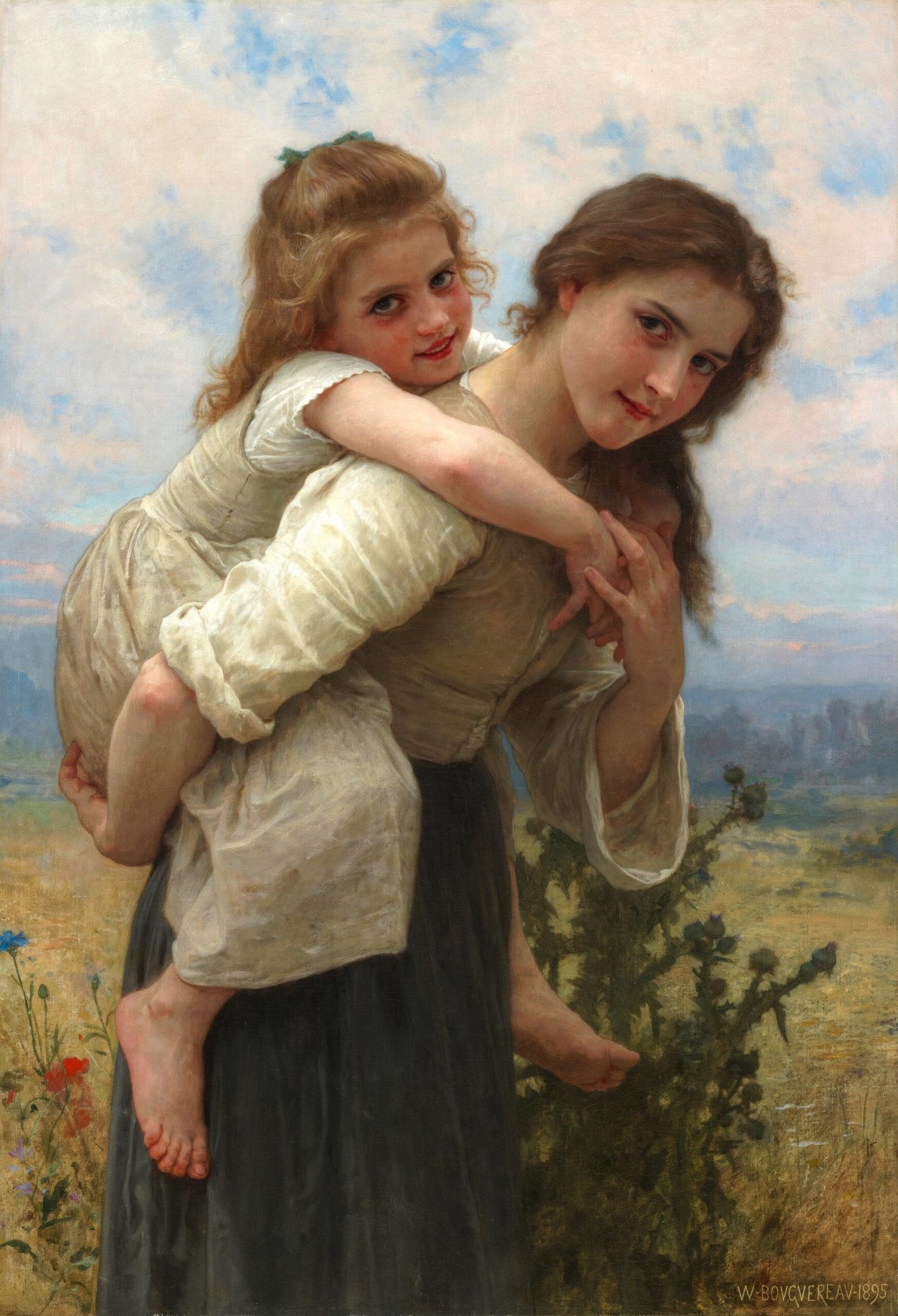
You’ve mastered the proportions. You can draw a beautiful, technically perfect face. However, when people look at your work, they say, “That’s nice,” and move on. Consequently, your art is missing the spark—the narrative that makes the viewer stop, look closer, and ask, “What is the story here?” The best way to elevate your art from a mere rendering to a compelling piece is to learn how to add storytelling to artwork. I know this feeling. It’s the moment you realize that technique is the language, but story is the poetry.
The good news is that with practice and the right methods, you can learn how to add storytelling to artwork. It is a skill that can be learned and applied to any subject, especially portraiture. It’s not about drawing a complex scene; it’s about strategically using visual elements to suggest a narrative. This guide will use an Entity-First approach to break down the three core elements of visual storytelling—Character, Setting, and Gesture. In addition, I’ll show you how to weave them into your work to create a piece that resonates deeply with your audience.

Element #1: The Character (The Personality Entity)
In portraiture, the character is your subject. To add storytelling to artwork, go beyond just capturing your subject’s likeness and instead aim to capture their personality. The viewer should feel like they know something about this person, even if they’ve never met them. I majored in Illustration at The School of Visual Arts where I learned techniques of visual storytelling. Prior to college, I was a visual storyteller from an early age which is why I chose illustration as my primary artistic study.
The Power of Expression To Add Storytelling To Artwork
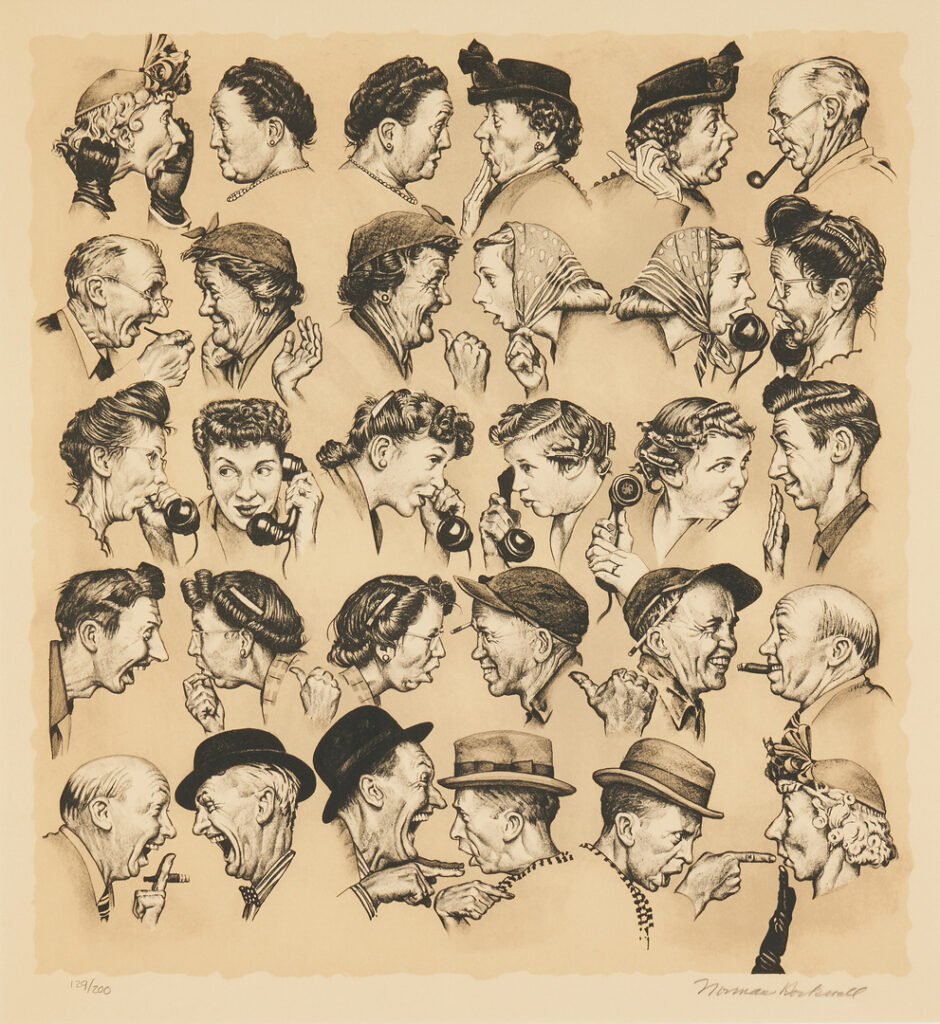
Unfortunately, a neutral face tells no story. I’ve seen quite a lot of these neutral portraits online, even ones that are drawn and rendered very well. In contrast, a slight furrow of the brow, a subtle smirk, or a faraway gaze immediately suggests a narrative. In order to break the neutrality of your portrait, study the micro-expressions of the face. A person who is slightly confused, slightly amused, or slightly sad is infinitely more interesting than a person who is simply posing. Hence, study your subject and creatively manipulate them against the background and toward the gesture of your choice. This is the ideal path to add storytelling to artwork and how to draw emotions.
Costume and Props as Narrative Clues
Ask yourself, what is your character wearing or what objects are they holding? These are your narrative clues. For example, a person holding a worn book can portray a different story than a person holding a modern smartphone. Therefore, use your visual props intentionally for the purpose of enhancing the storytelling of your artwork. Even a simple portrait can be transformed by the addition of a specific piece of jewelry, a hat, or a unique texture in the clothing.

Element #2: The Setting (The Context Entity)
Keep in mind, the setting is the context and atmosphere in which your subject exists. Even if you are only drawing a head, the background and the lighting are just as important to the picture. For example, the famous Mona Lisa portrait and its picturesque background. Or the beautiful scenery depicted in the portraits of William Bouguereau. Moreover, the setting you choose provides key details to the story of your main subject.
The Emotional Impact of Light and Shadow
Light is one of the most powerful tools to add emotion, control the mood and add storytelling to artwork. High-key lighting (bright, minimal shadows) suggests openness, joy, or innocence. Low-key lighting (dark, dramatic shadows) suggests mystery, conflict, or introspection. In fact, a simple change in the direction or intensity of your light source can completely change the emotional narrative of your portrait. I learned these techniques of storytelling with light while studying basic photography in college.
The Background as a Silent Partner
The background should never be a neutral void. It should be a silent partner in your story. Ask yourself, is it a blurred cityscape, a dense forest or a simple, textured wall? Most of all, the background can hint at the character’s profession, location, or emotional state. Therefore, use color and value in the background to create contrast and draw attention to the focal point. Also, ensure the colors support the overall mood of the story you want to tell.
Element #3: The Gesture (The Action Entity)
Gesture is the action or pose that suggests what the character is doing or about to do. Even in a static portrait, the tilt of the head, the position of the shoulders, or the way the hands are held helps to add storytelling to artwork. Therefore, think in terms of the movement within the pose of your subject.
The Line of Action
Every compelling drawing has a strong line of action. By definition, the line of action is an invisible curve that runs through the figure and conveys movement or emotion. Therefore, even if your subject is sitting still, look for the subtle curves in the spine or the head tilt. A strong line of action makes the figure feel dynamic and alive, suggesting a moment caught in time.
Composition as Narrative Flow
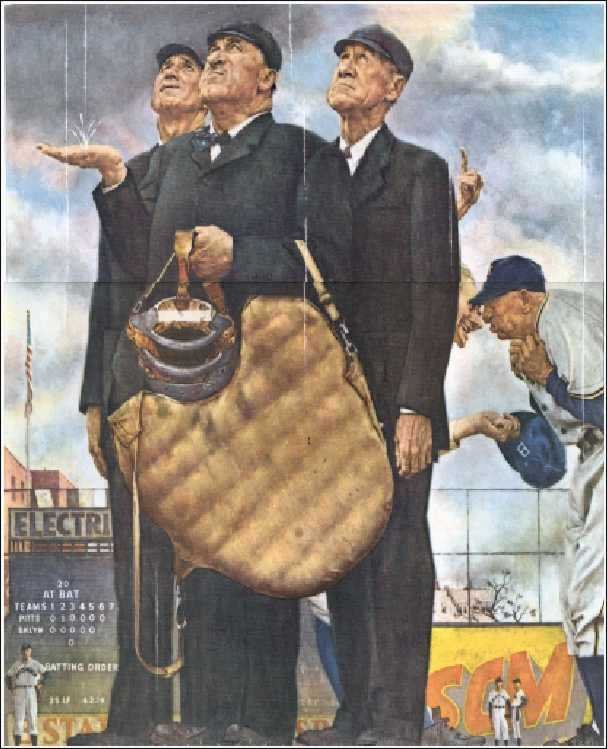
Composition is how you arrange all the elements to guide the viewer’s eye through the story. Use leading lines, the rule of thirds, and negative space to create a visual path for your viewers. For example, placing the character off-center can create tension, suggesting they are looking at something outside the frame. This simple compositional choice immediately invites the viewer to ask, “What are they looking at?”—and just like that, you add storytelling to artwork. For composition, I recommend studying the works of Norman Rockwell. When I discovered his “3 Umpires” painting as a child, I said to myself this is some great storytelling! The composition drew me into the work Rockwell created like a movie.
The Final Ingredient: The Emotional Connection
Ultimately, the best way to add storytelling to artwork is to convey genuine emotion in your portraits. In other words, the viewer should feel what the character is feeling. So before you start drawing, decide on the single emotion you want to convey. For instance, emotions such as peace, fear, joy, or determination. Every decision—from the tilt of the head to the color of the background—should serve that single emotional goal.
The “What If” Game To Add Storytelling To Artwork
If you are struggling to find a story, play the “What If” game. What if this person just received life-changing news or what if they are about to make a difficult decision? Maybe they are remembering a lost loved one. Fortunately, these simple questions will give you the emotional context you need to inform your storytelling choices. As a result, you’ll have another powerful tool to add storytelling to artwork.
Recommended Resources for Visual Storytelling
To further enhance your expertise and provide a direct solution, here are the affiliate product recommendations:
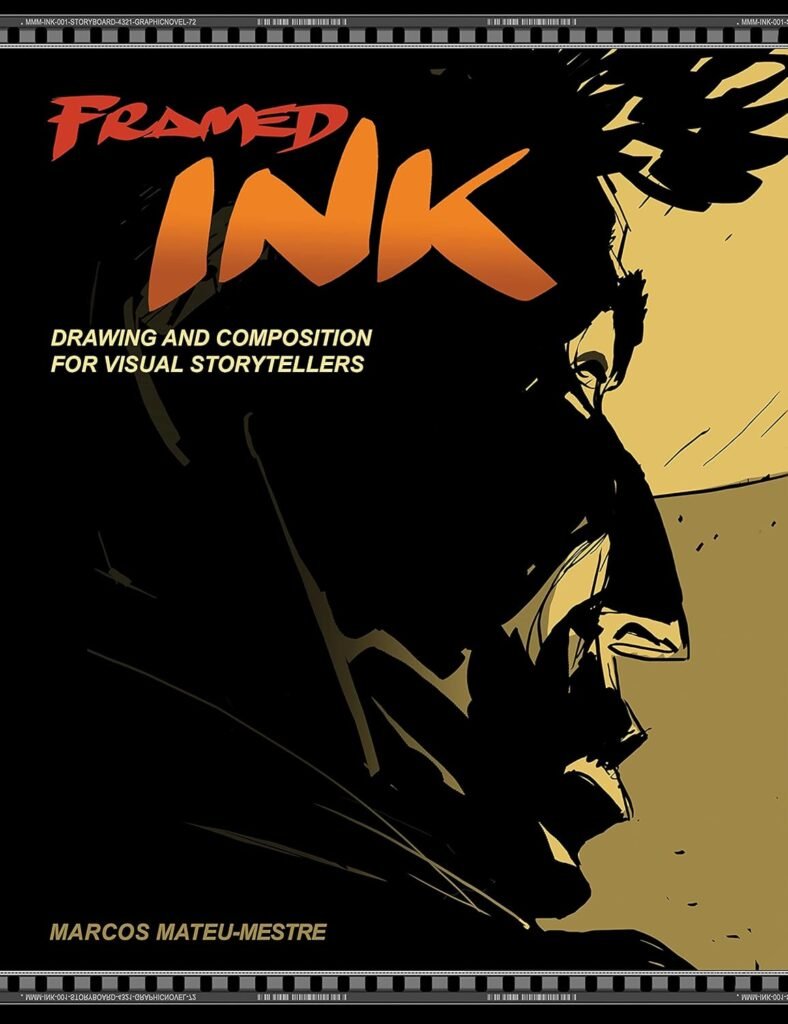
- Composition Guide: Framed Ink: Drawing and Composition for Visual Storytellers (Amazon) – The definitive guide for using composition and learning how to add storytelling to artwork in a dynamic way.
- Gesture Tool: A set of Blick Studio Drawing Pencils (Dick Blick) – Essential for quick gesture studies to capture the line of action and emotional pose.
- Digital Tool: Procreate App (Apple App Store) – Allows for easy experimentation with lighting and background elements to establish the narrative setting.
- Course: “An Introduction To Digital Character Design”: A comprehensive course on narrative art and character design (Alison) – Focuses on the principles of visual narrative to help you learn how to add storytelling to artwork.
Final Thoughts: The Story is the Soul
In conclusion, technique is important in learning how to draw faces, but the story is the soul of your art. By intentionally focusing on Character, Setting, and Gesture, you move beyond mere rendering. You create a moment that the viewer can step into. Now, go look at your next subject and ask: What is their story? Then, use your pencil to tell it.