A Practical Guide to Developing An Artistic Voice
If you’re an aspiring artist, you’ve heard it a thousand times. It’s the go-to feedback from well-meaning teachers and the most common answer to desperate questions in online forums. “Your fundamentals are good,” they say, “but you just need to find your style.” This seemingly helpful advice often creates more anxiety than inspiration. It frames “style” as a magical object you’re supposed to find, like a key lost in a field. If you can’t find it, you feel like you’re failing, like you’re not a “real” artist. You look at your peers, who seem to have a strong, recognizable voice, and you wonder, “how do I go about developing an artistic voice?”
I’m here to tell you to stop searching because your style is not a treasure you dig up. Instead, it’s a house you build, the natural, inevitable byproduct of your influences in addition to your decisions, your practice, and your personality. It’s not found; it’s forged. This guide will debunk the myth of “finding your style” and give you a practical, step-by-step process for actively developing your unique artistic voice.
Why “Finding Your Style” is a Trap
Thinking of style as a destination is a trap. It implies that one day you’ll “arrive,” and your art will be perfect and consistent forever. The truth is, your style is not a destination; it’s the path you’re walking. It’s a living, breathing thing that will evolve and change as you do. I believe this constant evolution is one of the best things about being an artist.
The Pressure for Premature Originality In Developing An Artistic Voice
The pressure to be unique from day one is paralyzing. In fact, it makes artists afraid to learn the fundamentals. Truthfully, they’re scared that if they copy the work of masters or practice drawing from photos, they’ll lose their originality. The opposite is true: you cannot be original in a language you don’t speak. Hence, learning the fundamentals is learning the language of art.
Style vs. Habit: Are You Unique or Just Making Consistent Mistakes?
It’s crucial to understand the difference between a style and a bad habit. Best believe, an artist’s style is a series of intentional choices. In other words, an artist might choose to draw eyes in a certain simplified way because it serves their aesthetic. A bad habit is drawing eyes the same way every time because you don’t know how to draw them any other way. One is a choice born from knowledge; the other is a limitation born from a lack of it. Therefore, you must build the skill first, so you have the freedom to make those choices.

Step 1: The Input – Curate Your Influences Like a Master Chef
No artist creates in a vacuum. Your artistic voice will be a unique combination of all the art you consume. For instance, a master chef doesn’t invent ingredients; they learn to combine existing ingredients in a new and personal way. With that said, you must do the same as the chef of your artistic ingredients.
Your “Artistic DNA”: Identifying Your Top 5 Influences
Firstly, become a collector and go on a digital scavenger hunt to gather work from 5-10 artists you deeply, truly admire. They don’t have to be famous, and they don’t even have to be in the same field. For example, choose an illustrator, a film director, a fashion designer, a classical painter, and a video game concept artist. This is your artistic DNA.
Deconstruct, Don’t Just Admire While Developing An Artistic Voice
In retrospect, look at the work you’ve collected and analyze it. Don’t just say, “I like this.” Ask why, be specific and make a list for each artist:
•Line Work: Is it clean and precise, or is it loose and sketchy? Thick or thin?
•Color: Do they use a vibrant, saturated palette or a muted, atmospheric one?
•Subject Matter: What do they choose to draw? Why does it resonate with you?
•Composition: How do they arrange the elements on the page? Is it balanced and calm, or dynamic and chaotic?
•Mood: How does their art make you feel? Joyful? Melancholy? Awestruck?
This analysis will give you a concrete list of ingredients you are drawn to.
Step 2: The Foundation – Master the Rules Before You Break Them
Secondly, style is not an excuse for poor fundamentals. In fact, the artists with the most iconic styles are almost always masters of the basics. Stylization is the intentional simplification or exaggeration of reality. Truthfully, you cannot intentionally exaggerate something you don’t understand in the first place.
Why Picasso’s Art Is So Unique
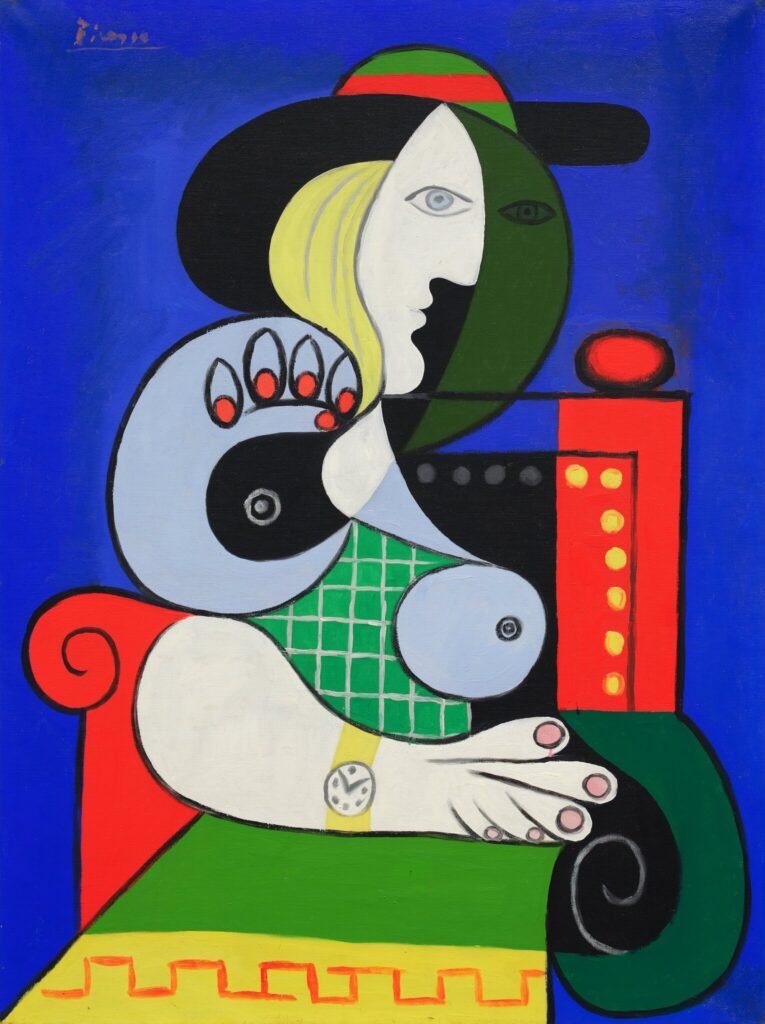
People often look at Picasso’s cubist work and recognize a style of art that stands out among the rest. This is the truth about his place in art history. His early work is a masterclass in abstraction and stylistic portraiture. Moreover, he mastered originality completely, which gave him the freedom and knowledge to draw and paint in an intelligent and revolutionary way.
The “Stylization is a Dial, Not a Switch” Analogy
Think of your art as having a “stylization dial” which operates based on creating a solid, realistic drawing. Once you have that, you can choose to turn the dial up, pushing the shapes, simplifying the colors, and exaggerating the features. Without the realistic foundation, you have nothing to push against. Understand this, you’re not stylizing; you’re just guessing.
Step 3: The Laboratory – The Power of Intentional Experimentation
Thirdly, this is where you take your ingredients (your influences) and your cooking skills (your fundamentals) and you start experimenting in the kitchen. Bear in mind, this as the active “forging” phase.
The “Style Study” Exercise
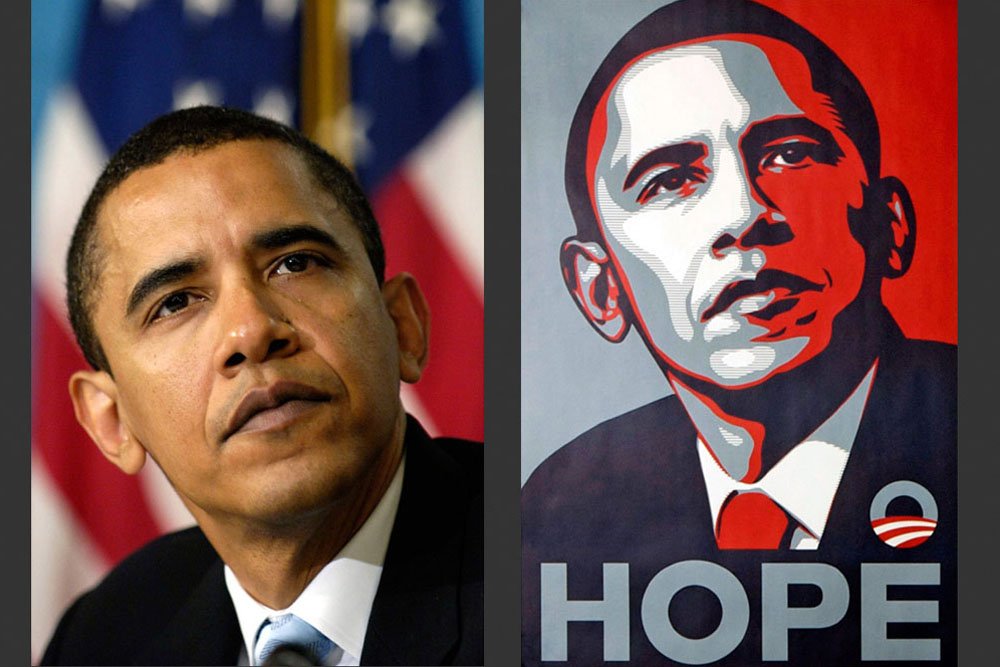
Choose a single, simple subject you can draw easily, like a self-portrait or a coffee mug. Now, try to draw that subject in the style of each of your top 5 influences. This exercise forces you to step into another artist’s shoes and analyze their decision-making process. Furthermore, it’s a powerful way to absorb their techniques. Notably, the famous “Hope” portrait of Obama is a good example of this artistic approach.
The “Frankenstein” Method 2.0 For Developing An Artistic Voice
Now, take it a step further. Draw that same subject again, but this time, combine your influences. Try to use the sketchy line work from Artist A, the moody color palette from Artist B, and the dynamic composition from Artist C. The result might be a beautiful mess, but it will be a unique mess. As a result, you force yourself to create something new by combining existing ideas.

Step 4: The Output – Create a Volume of Work
Fourthly, your style will not emerge from one or two drawings. It emerges from mileage and is found in the hundreds of drawings you create. To achieve this milestone, you have to put in the work and create a volume of art.
The Personal Project: Your Style Incubator For Developing An Artistic Voice
Honestly, one of the best ways to do this is to start a personal project. Give yourself a theme and a number, for example, “Draw 50 portraits of interesting strangers I see on the subway,” or “Design 100 different fantasy swords.” A defined project forces you to make consistent choices over a large body of work, and it’s within these choices that your style will begin to solidify.
Your Sketchbook is for Play, Not for Display
Unfortunately, so much anxiety about style comes from the pressure to post everything online. To counteract online pressure, designate a sketchbook that is just for you. It’s a no-pressure zone for your ugly drawings, failed experiments, and silly doodles. This freedom to play and fail without judgment is often where your most authentic and interesting ideas will come from. This is how I got my own primary drawing style: the day one of my teachers discovered my sketchbook.
Step 5: The Feedback Loop – Listen to Your Own Voice
Fifth, after you’ve spent time creating a volume of work, you can look back and act as an archaeologist of your own art. You will start to see patterns emerging that you weren’t even aware of. This is a great sign of progression in developing an artistic voice.
The “Review and Refine” Process In Developing An Artistic Voice
Flip through your last sketchbook or the pieces from your personal project. Which ones are you most proud of? More importantly, which ones did you have the most fun making or which pieces feel the most “like you”? Look for common threads such as do you tend to use a lot of blue? Maybe you gravitate towards drawing expressive hands or do you love using energetic, sketchy lines? These are the building blocks of your style, revealing themselves to you.
Your Style is What You Do When You’re Not Trying
Ultimately, your true style is the sum of all your unconscious decisions. It’s the way you naturally make a mark when you stop overthinking it. Also, it’s the colors you’re drawn to, the subjects that fascinate you, and the stories you want to tell. Overall, it’s the authentic, unfiltered you.
Conclusion: Developing An Artistic Voice
In conclusion, stop the frustrating, fruitless search for your style. It’s not hiding under a rock. Instead, start the rewarding process of building it. Become a curious chef of influences and a dedicated student of the fundamentals. Imagine yourself as a fearless scientist in your sketchbook laboratory. Create, create, and then create some more. Before you know it, you’ll look back at the body of work you’ve created, and you’ll realize your style was never lost. On the contrary, it was there all along, forged in the fire of your practice, waiting for you to recognize it.
Now, stop reading. Instead , go find your 5 artistic influences right now and post one of them in the comments below. Your journey starts today.
Leave a Reply