
From Fear to Freedom: A Guide to Drawing from Memory with Confidence
Many artists feel that the blank page is a paradox. It is both a canvas of infinite, exhilarating possibility and a terrifying white void, silently judging your every move. But is never truer than when you decide to approach drawing from memory. The fear that sets in is unique and paralyzing. It’s not just a skills gap; it’s a confidence gap. Whispering voices of your inner critic tell you that your own ideas aren’t good enough, that you’re a fraud, that you should stick to the safety of a reference photo.
If this sounds familiar, you are not alone. But what if I told you that confidence isn’t a personality trait you’re born with? What if it’s a muscle you can build? Creative confidence isn’t about never feeling fear; it’s about feeling the fear and drawing anyway. This guide will give you the practical tools to silence that inner critic, build unshakeable creative confidence, and finally find the freedom and joy in drawing faces.
Part 1: Deconstructing the Fear – Why is the Blank Page So Scary?
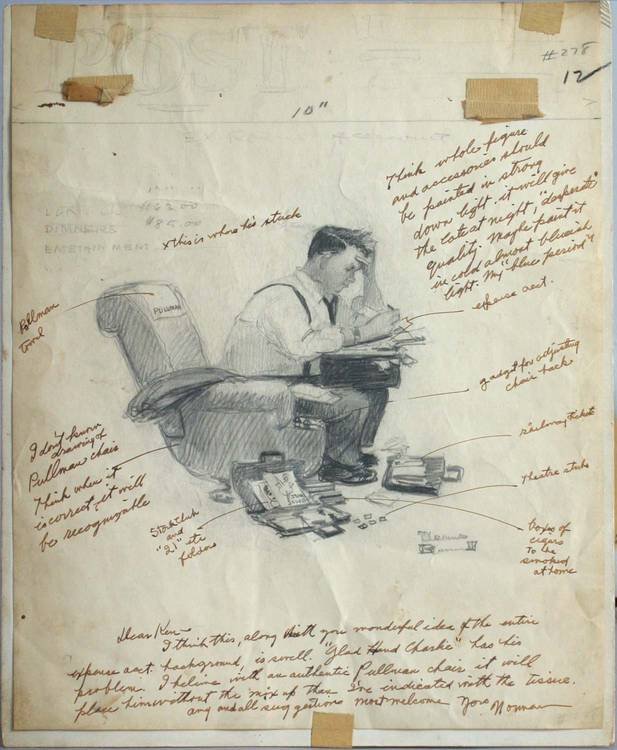
To conquer the beast, you must first understand it. The fear of the blank page is rooted in some very real psychological pressures. Drawing from memory is an exercise that helps you to break that fear by letting your artistic expression loose. In other words, use this opportunity to freely express whatever visual idea is running around in your head. In definition, this is the sketch phase that gets your idea onto paper and defines a final work of art. Don’t let the preoccupation of creating a refined work of art deter you at this phase.
The Tyranny of the “Good Idea” vs. Drawing From Memory
In my observation, we live in a world that celebrates the finished product. More than not, we see brilliant, polished art online and assume it sprang fully formed from the artist’s mind. In turn, this creates an immense pressure to have a “good idea” every single time we pick up a pencil. The truth is, most great creations don’t start as a lightning bolt of genius. They start as a quiet “what if?”, a silly doodle, or even a “bad” idea that is slowly molded into something better. At this phase of their art creation, even the greatest artists have practiced drawing from memory. Which explains why, every great work of art starts with an idea.
The “Copier” Comfort Zone
For the most part, drawing from a reference photo feels safe. There is a clear target, a “right” answer you can measure your work against. Most artists feel if your drawing looks like the photo, you have succeeded. However , drawing from imagination has no “right” answer which is both its greatest strength and its most terrifying quality. In fact, it forces you to be the ultimate authority, to make every decision yourself, and that responsibility can feel overwhelming.
Your Inner Critic: Your Brain’s Malfunctioning Safety Alarm When Drawing From Memory
That voice in your head that tells you your art is terrible? That’s your inner critic. It’s not you; it’s an ancient, malfunctioning part of your brain’s safety system. Its job is to protect you from social rejection (“If I make bad art, the tribe will think I’m useless and cast me out!”). It means well, but its alarm is far too sensitive. In general , the goal is not to kill your inner critic—you can’t. The goal is to acknowledge it, thank it for trying to keep you safe, and then politely tell it that you’re going to draw anyway.
Part 2: The Toolkit – Forging Confidence Through Practicing Drawing From Memory
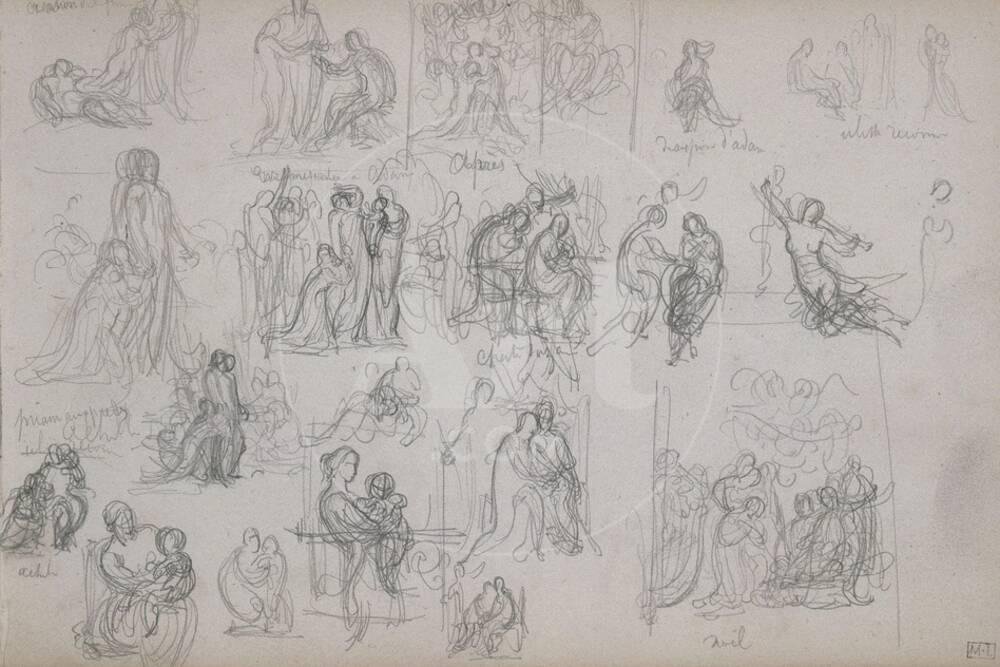
Confidence is a byproduct of action. You can’t think your way into feeling confident; you have to draw your way into it. Hence, if you want to accomplish drawing well from memory, don’t hesitate; take action. For instance, the drawing from memory “Croquis” sketches of master artist William Bouguereau are an example of consistent action-taking. With that said, here are the tools for your new, confidence-building practice.
The Foundation of Freedom: Your Visual Library
Confidence comes from competence. You feel more confident driving a car after you’ve learned how the pedals and steering wheel work. Your visual library—the mental database of forms, structures, and details you build by studying reality—is your artistic competence. The more you study real-world objects, anatomy, and light, the more “tools” you have in your toolbox. When you sit down to draw from imagination, you’re not pulling from a void; you’re pulling from your well-stocked library.
The “No-Stakes” Sketchbook: Your Creative Drawing From Memory Playground
This is the single most important tool for building creative confidence. You must have a sketchbook that is a pressure-free zone. This is not the sketchbook you post on Instagram. This is the sketchbook where “bad” drawings are not only allowed but encouraged. It’s a playground for experimentation. When you remove the pressure of performance, you give yourself the freedom to play, and it is in play that your most authentic ideas are born.
The Power of Prompts: Jump-Starting a Stalled Engine By Drawing From Memory
Staring at a blank page and thinking, “What should I draw?” is a recipe for paralysis. Truthfully, prompts are the jumper cables for a stalled creative engine. Moreover, they remove the initial, overwhelming pressure of having to “think of an idea.” As a solution, use a random word generator, find a monthly drawing challenge or just start with a silly phrase. For example, “A knight who is afraid of squirrels.” The content doesn’t matter; the act of starting is everything.
Part 3: The Mindset – Rewiring Your Creative Brain
Your technical skills are only half the battle and the other half is won in your mind. Bear in mind, you must actively cultivate a mindset that fosters confidence.
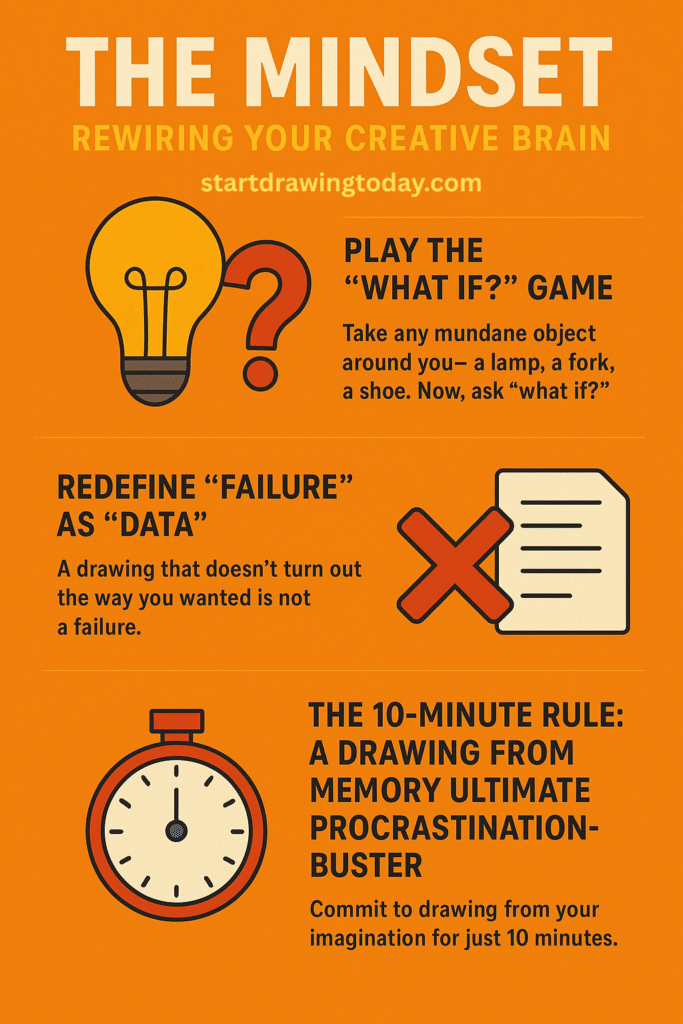
Play the “What If?” Game
This simple game is the secret to infinite ideas. Take any mundane object around you—a lamp, a fork, a shoe and ask “what if?” For example, what if the lamp was a sentient being? What if the fork was a key to another dimension or what if the shoe was a house for a tiny creature? This transforms the pressure to “have a good idea” into a fun, low-stakes game of curiosity.
Redefine “Failure” as “Data”
This mental shift is life-changing. A drawing that doesn’t turn out the way you wanted is not a failure. It is not a reflection of your worth or your talent. It is simply data. “Okay, I tried to draw a character running, and the pose looks stiff. The data shows that I need to study more gesture drawings.” This reframes every drawing, good or bad, as a valuable learning experience and removes the emotional sting of “failure.”
The 10-Minute Rule: A Drawing From Memory Ultimate Procrastination-Buster
When the fear of starting feels overwhelming, use the 10-Minute Rule. Firstly, commit to drawing from your imagination for just 10 minutes. Secondly, set a timer and go. More often than not, the inertia of starting is the biggest hurdle. Thirdly, once those 10 minutes are up you’ll likely find you’re in the flow and want to keep going.

Part 4: The Bridge – From Practice to Performance
Once you’ve started building confidence in your private sketchbook, you can begin to carry it into your finished work.
Start with a Story by Drawing From Memory
Instead of thinking, “I need to draw a cool-looking character,” start by thinking, “Who is this person?” Give them a simple story by sketching it out in the act of drawing from memory. “This is a young librarian who has discovered a magical, glowing book.” As a result, the story will immediately start to answer design questions for you. Furthermore, ask yourself “What is she wearing, what is her expression, how is she holding the book?” , Eventually, your drawing becomes an act of storytelling, not just image-making.
The “Rule of Cool”: Giving Yourself Permission to Trust Your Gut
As you make design choices, you will have moments where you want to add something—a weird horn, a glowing tattoo, a tattered cloak—for no other reason than you think it would look cool. Do it. This is you learning to trust your own aesthetic intuition and a cornerstone of developing a confident, personal style. Keep in mind, if you think it’s cool, that’s reason enough.
Conclusion
Creative confidence is not a mystical gift bestowed upon a chosen few. It is the direct and inevitable result of a process. It’s forged in the low-stakes playground of your private sketchbook. It’s built by treating every drawing as a data point, not a judgment. And it’s sustained by a mindset of curiosity and play so stop waiting to feel confident before you start. Instead, start and the confidence will find you. Most importantly, embrace this initial moment of free creative exploration which is the cornerstone of all great artwork. It’s known as the sketch phase.
Now it’s your turn so grab your “no-stakes” sketchbook, set a timer for 10 minutes, and play the “What If?” game with the first object you see. Ask yourself, what if your coffee mug had wings or what if your keyboard was made of grass? Share your weirdest “what if” idea in the comments below. Let’s get started!
Leave a Reply