The Art of Being Seen: A Practical Guide to Gaining Recognition and Selling Art Online (Without Selling Your Soul)
You’ve spent hours, maybe even days, on a new piece. You’ve poured your heart, your skill, and your focus onto the page. With a mix of terror and hope, you take a photo, write a caption, and hit “Post”. And then… silence. If you are wondering how to get your art noticed or struggling with the process of selling art online, this silence is a deafening void. A few likes trickle in from your mom and your best friend, but otherwise, your art, a piece of your soul made visible, feels like a message in a bottle tossed into an indifferent ocean.
Balancing Desire & Purpose In Showing Your Art
The desire to have our work seen and acknowledged is not vanity; it’s a deeply human need for connection. The good news is that gaining recognition is not a lottery you might win if you’re lucky. It’s the result of a deliberate, authentic strategy. Additionally, this strategy includes solid art marketing tips for promoting your art online. It’s about building a bridge between your art and the people who are out there, waiting to connect with it. This is your practical, soul-centered blueprint for getting your art seen, finding your target audience, and gaining meaningful recognition—without chasing trends or burning out.
Part 1: The Mindset Shift – Redefining “Recognition” and Selling Art Online
In the age of social media, we’ve been conditioned to believe that recognition equals likes, comments, and followers. Unfortunately, this is a trap that leads to creative misery. When your goal is to maximize likes, you start making art that is safe, trendy, and generic. Next, you start creating what you think the algorithm wants, not what you want. This is the fastest path to burnout. True, soul-feeding validation doesn’t come from a thousand mindless double-taps. It comes from one single, heartfelt comment from a stranger who says, “Your art made me feel something”. Focusing on genuine connection is vital for longevity in the art business. You must shift your goal from chasing empty metrics to building genuine connections.
Your “1,000 True Fans”: Finding Your Niche for Selling Art Online
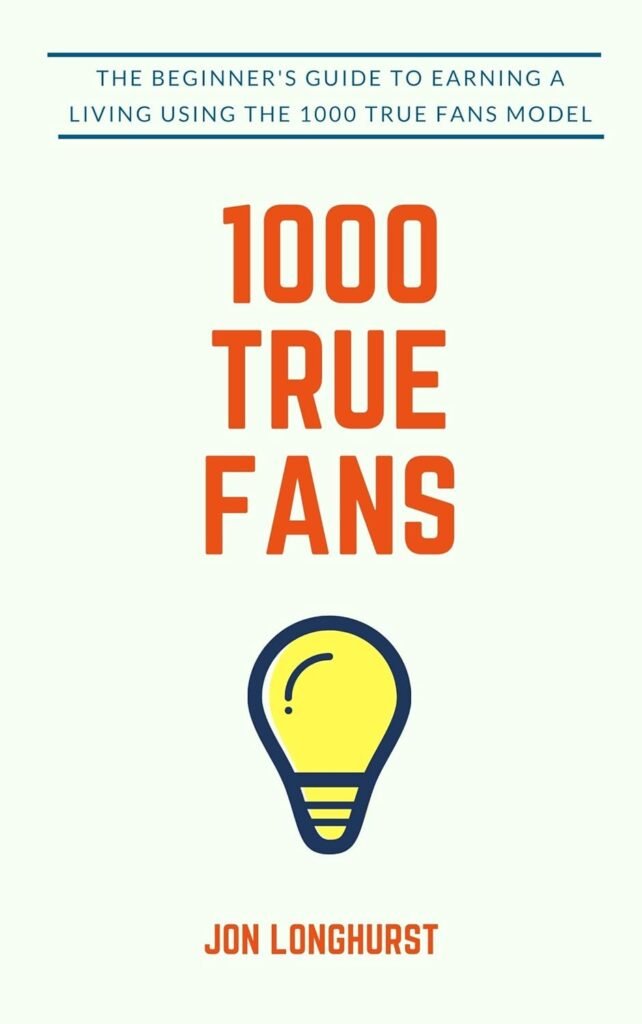
Writer Kevin Kelly developed a powerful concept called “1,000 True Fans”. The idea is that to make a living as a creator, you don’t need millions of fans. Truthfully, you just need 1,000 “true fans”—people who will buy anything you produce. This reframes the goal from an impossible mountain to a manageable hill. With this mindframe, you are not trying to get the whole world to like you. Instead, you are just looking for your 1,000 people. Whether it’s 100 people or 50, the number doesn’t matter. However, the principle does: you are looking for your small, dedicated tribe.
You Are Not for Everyone (And That’s a Superpower for Building an Artist Brand)
In short, this is the most liberating mindset shift you can make. Trying to create art that appeals to everyone is a recipe for bland, forgettable work. The truth is, your unique voice, your quirky subject matter, your specific style—these things will actively repel some people. And that is a good thing. It means your work has a personality. Every person who doesn’t “get” your art is making space for the people who do. Hence, by sharing your art journey, your unique weirdness is a filter. Furthermore, it’s a beacon that calls your true fans to you.

Part 2: The Foundation – Building Your “Artistic Home Base” for Selling Art Online
Honestly, social media platforms are like rented apartments. The landlord can change the rules, raise the rent, or even tear the building down at any moment. You need a place on the internet that you own and a home base. Therefore, your own website can be your most important asset in selling art online.
Why You Need a Simple Portfolio Artist Website (And Essential Artist Portfolio Tips)
Creating a portfolio website is easier than ever with user-friendly platforms like Squarespace, Wix, or Carrd. Really, you don’t need anything fancy. You just need a clean, simple, professional-looking space to showcase your best work. Recognize, this is your digital gallery along with the link you put in your social media bio. In fact, it signals that you take yourself and your art seriously.
Curating Your Best Work: Quality Over Quantity
Your portfolio should not be a dumping ground for every drawing you’ve ever done. Instead, it should be a curated exhibition of your 10-15 best pieces. With great care, choose the work that represents the kind of artist you are now and the kind of work you want to be hired for in the future. Bear in mind, it’s better to have a small, stunning portfolio than a large, inconsistent one.
Writing Your Story: The Simple Artist’s Statement
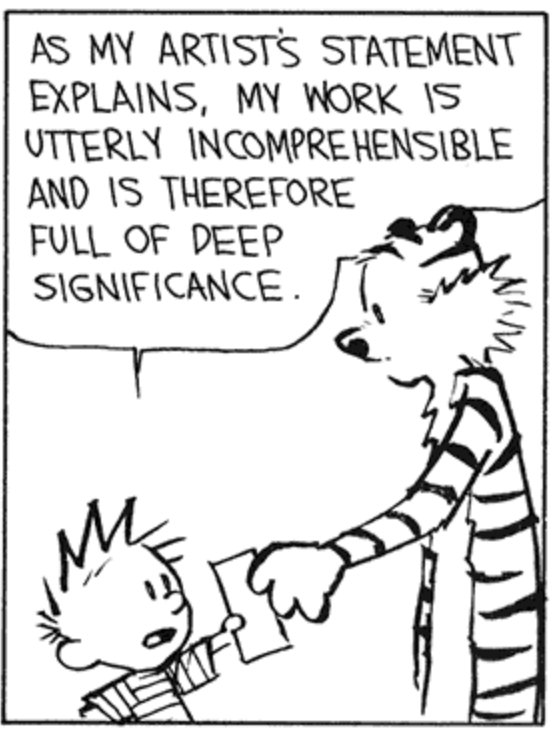
Don’t be intimidated by the term “artist’s statement”. It’s just you answering three simple questions:
- What do you create? (e.g., “I create emotive, realistic portraits of women.”)
- How do you create it? (e.g., “Using graphite and charcoal, I focus on dramatic lighting to tell a story.”)
- Why do you create it? (e.g., “I aim to explore themes of strength and vulnerability in my work.”)
That’s it, a few clear, honest sentences are all you need.
Part 3: The Bridge – A Smart Social Media Strategy for Selling Art Online
With your home base established, you can now use social media as a bridge to bring people back to it. The key is to have a healthy, sustainable strategy. Your website and social media accounts should be interconnected, like the heart to the vessels of the human body.
Choose Your Platform Wisely (Social Media for Artists)
In reality, you do not need to be on every social media platform. That’s a recipe for burnout. Pick one or two platforms where your ideal audience hangs out and that you genuinely enjoy using, key to growing an art account. For most visual artists, Instagram for artists is a primary choice. However, if you love making videos, TikTok or YouTube might be better. Conversely, if you love witty banter and community discussion, maybe it’s Twitter/X.
The 80/20 Rule of Content: Share Your Process, Not Just Your Product (Creating a Cohesive Art Feed)
Undoubtedly, consistent content production is the secret to building a connection with your audience. People connect with people, not with disembodied, perfect art. Firstly, follow the 80/20 rule: 80% of your content should be about your process, and only 20% should be the finished product. Secondly, share your messy sketchbook pages, your work-in-progress shots, the tools you use, your struggles, and your breakthroughs, making sure to optimize your reach with relevant art hashtags. This tells a story and makes people feel invested in you as an artist. Thirdly, when you finally post the finished piece, they feel like they were part of the journey.
Engage, Don’t Just Broadcast: The “Give More Than You Take” Principle (Engaging with Your Audience and Networking for Artists in the Art Community)
Social media is a two-way street, so don’t just post your art and run, instead be a good citizen of the art community. Regularly spend time every day engaging with others. Also, leave genuine, thoughtful comments on the work of artists you admire (especially those with a smaller following than you!). Then, answer every comment and question you receive and as a follow-up, share other artists’ work in your stories. When you give generously to the community, the community will give back to you.
Part 4: The Pathway – Creating Opportunities for Recognition and Selling Art Online
A cohesive series of works is far more powerful and memorable than a random assortment of single drawings. Committing to a personal project (e.g., “A series of 12 portraits based on zodiac signs,” “Drawing a different fantasy creature every day for a month”) gives your audience something to look forward to and gives you a body of work that is perfect for sharing in a blog post or a portfolio.
Participating in Art Challenges (The Right Way)
In the online space, art challenges like Inktober or Draw This In Your Style (DTIYS) are fantastic opportunities. But don’t just post your art with the hashtag. Thoughtfully, use the hashtag to find other participating artists as you like and comment on their work. Follow new people and use the challenge as a networking event, not just a content-creation machine.
Your First Step into the Professional World: Art Prints and How to Get Art Commissions (Including Pricing Your Art for Selling Art Online)
One of the most powerful forms of validation is having someone vote with their wallet. Offering a simple art print of your most popular piece or opening a few commission slots can be a huge confidence booster. It’s tangible proof that your art has value to others so start small and simple.

Part 5: The Armor – Dealing with Silence and Criticism (Dealing with Art Criticism)
Sharing your art will inevitably expose you to two things that hurt: silence and criticism. Inevitably, you will need to build your mental armor.
When the Likes Don’t Come: What the Silence Really Means
When a post flops, it’s easy to think, “Everyone hates my art”. Bear in mind, this is a cognitive distortion. The silence is not a judgment of your art’s quality, it is almost always a judgment of the algorithm. Maybe you posted at a bad time. Or, the algorithm just decided not to show it to people. It is not personal, the only thing to do is to take a deep breath and post again tomorrow.
How to Handle Negative Criticism (And When to Ignore It)
You will eventually get a negative comment but when you do, use this simple flowchart. First, ask: “Is this comment constructive criticism, or is it just mean?”. If it’s just mean, your only job is to delete the comment, block the user, and protect your peace. Do not engage, if the comment is constructive, ask a second question: “Is this from a source I respect? Is this person a skilled artist or a thoughtful critic whose opinion I value?”. If the answer is yes, then consider the feedback. If the answer is no, then you are free to discard it, you do not have to accept feedback from everyone.
Conclusion
Overall, lasting recognition is not a sudden explosion of fame. It is the slow, quiet, steady process of building a community around your authentic work. It’s the connection you make with one “true fan,” and then another, and then another. It’s about finding the courage to build a bridge from your heart to theirs. Plus, it’s about realizing that the art of being seen is, first and foremost, the art of seeing and valuing others.
Your first step on this path is to engage, so go find an artist you admire who has fewer followers than you. Look through their work, find a piece you genuinely love, and leave a specific, thoughtful comment telling them why you love it. Let’s start building the community we all want to be a part of, together.
Leave a Reply