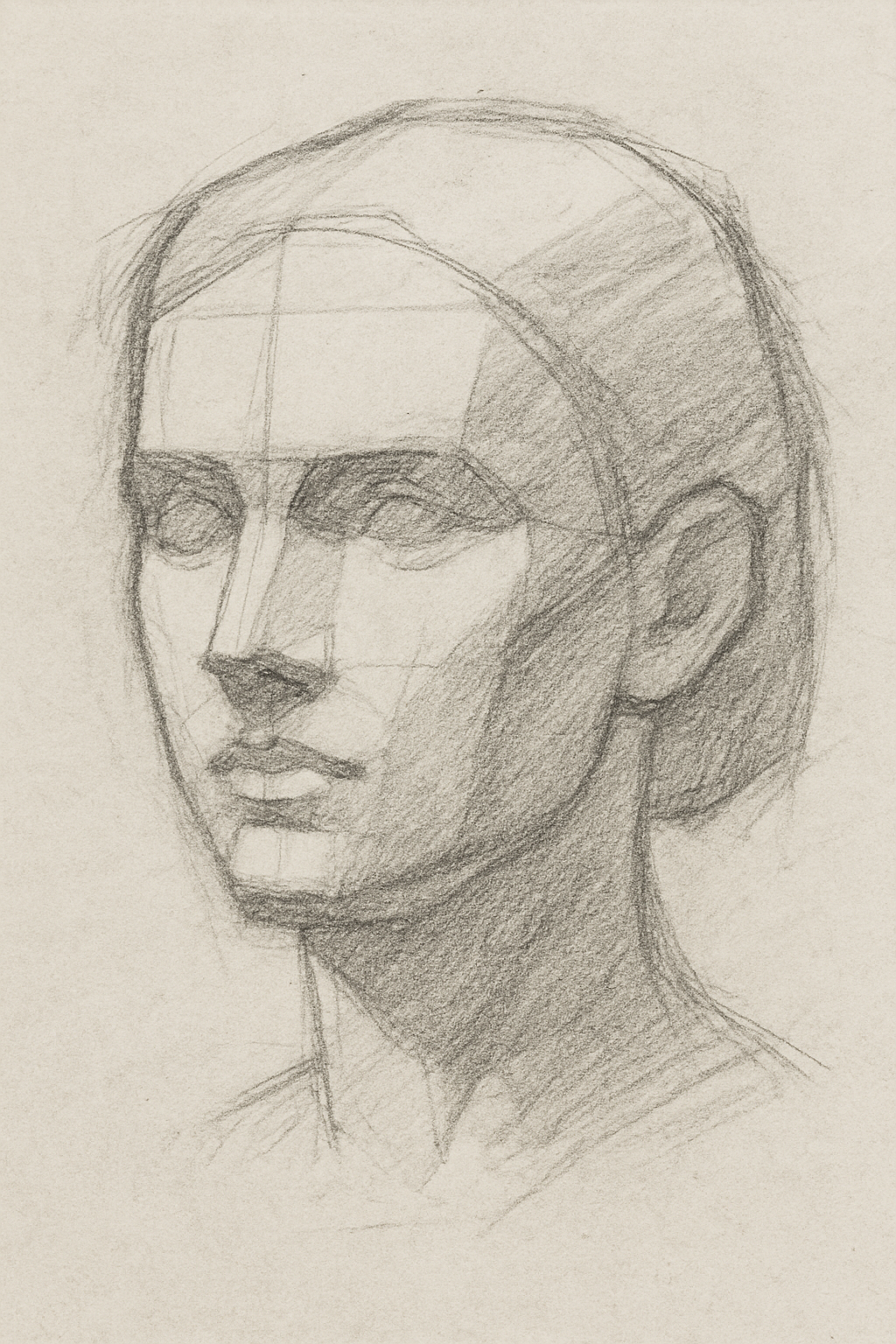
Capturing Likeness In Portraits: 7 Secrets to Drawing Faces
You’ve spent hours on it. You’ve measured and re-measured. The proportions are technically perfect. However, as you step back, a familiar sense of disappointment washes over you. It’s a good drawing, sure. However, it’s not exactly the person you see before you. It’s a drawing of a generic stranger, a lifeless mask that lacks the spark, the personality, the very essence of the person you were trying to capture. If you’ve ever felt this frustration, you’ve hit upon one of the most difficult, and most rewarding, challenges in all of art: mastering capturing likeness in portraits.
This is the magic that separates a mere drawing of a person from a true portrait of that person. Indeed, it’s the holy grail for portrait artists. And while it can feel like an elusive, mystical talent, I’m here to tell you it’s a skill you can learn. In fact, it goes far beyond the basic rules of proportion. It’s about training your eye to see differently and understanding the subtle cues that make each face unique. In this guide, I’ll share 7 crucial secrets that professional artists use to breathe life into their portraits. As a result, you’ll soon achieve a truly recognizable likeness in a portrait.
Secret #1: Train Your Eye to See Relationships for Capturing Likeness Portraits
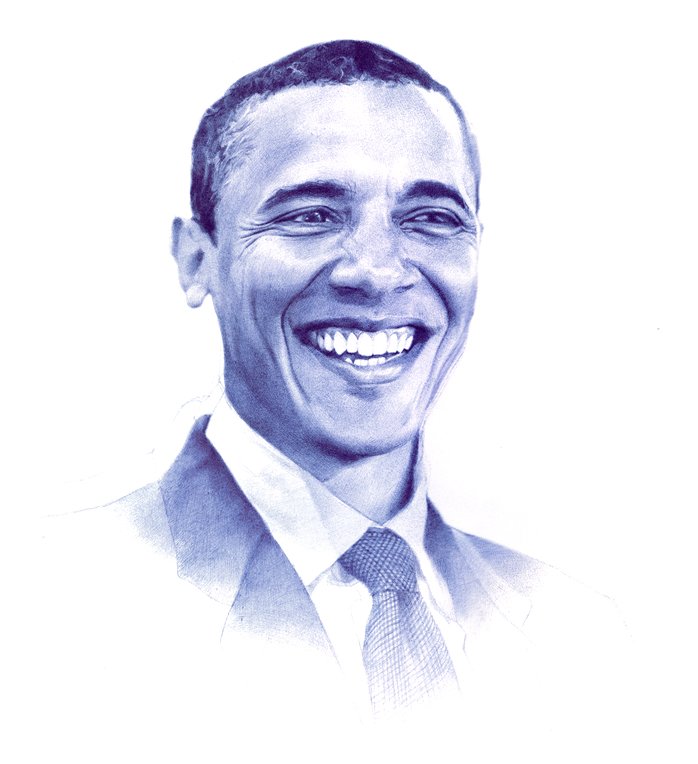
Your brain is a liar. When you look at a face, it tells you, “That’s an eye. That’s a nose. That’s a mouth.” It feeds you generic symbols. This how I used to think and see while drawing someone, until my teacher in college broke that mindset. To master capturing a likeness in portraits, you have to ignore these symbols and start seeing the specific, unique relationships between the features in front of you. This observational shift is fundamental for achieving an accurate likeness in your artwork. Check out one of my portraits above of Obama, done in pen-and-ink on paper.
The Power of Comparative Measurement in Capturing Likeness In Portraits
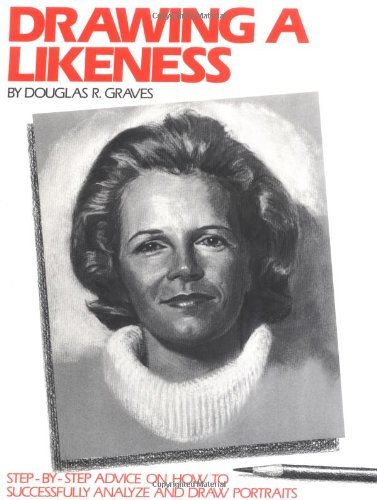
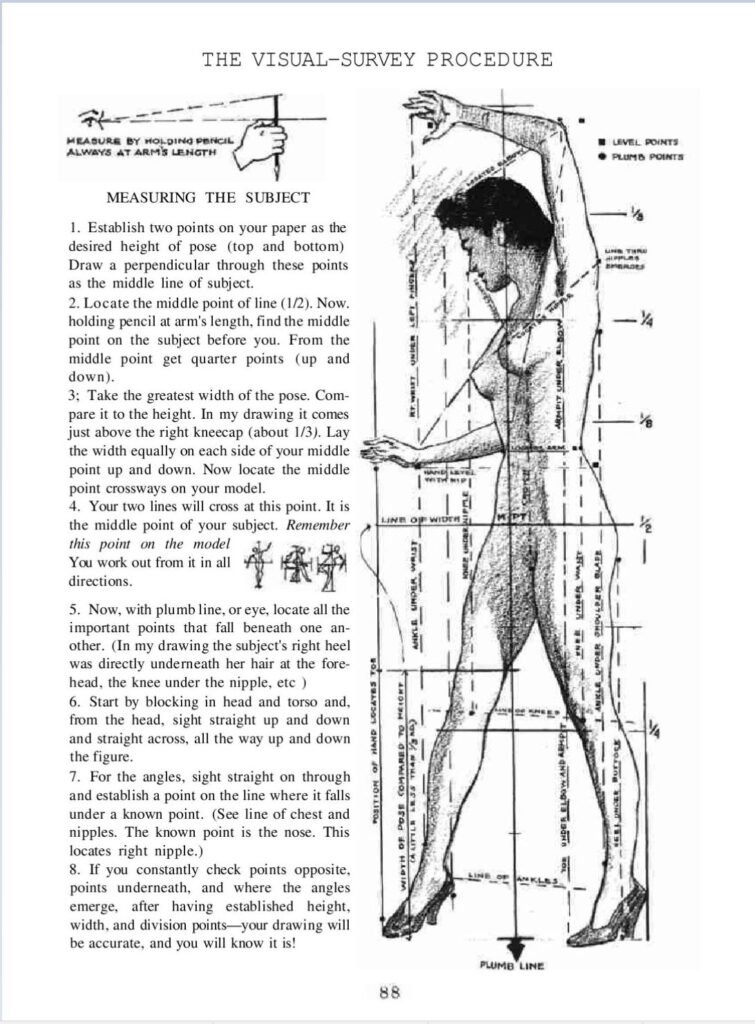
This is a game-changer. Instead of thinking in inches or centimeters, start thinking in “eye-widths.” Pick one feature—the width of one eye is a great starting point—and use it as your personal unit of measurement. How many eye-widths are there between the eyes? What’s the difference in size from the bottom of the nose to the bottom of the chin? How wide is the mouth in eye-widths? This technique forces you to stop assuming and start *seeing* the unique mathematical harmony of your subject’s face, which is vital for portrait drawing. For a deeper dive into this technique, consider resources like “Drawing a Likeness” by Douglas R. Graves.
Using Plumb Lines and Angles for Portrait Accuracy
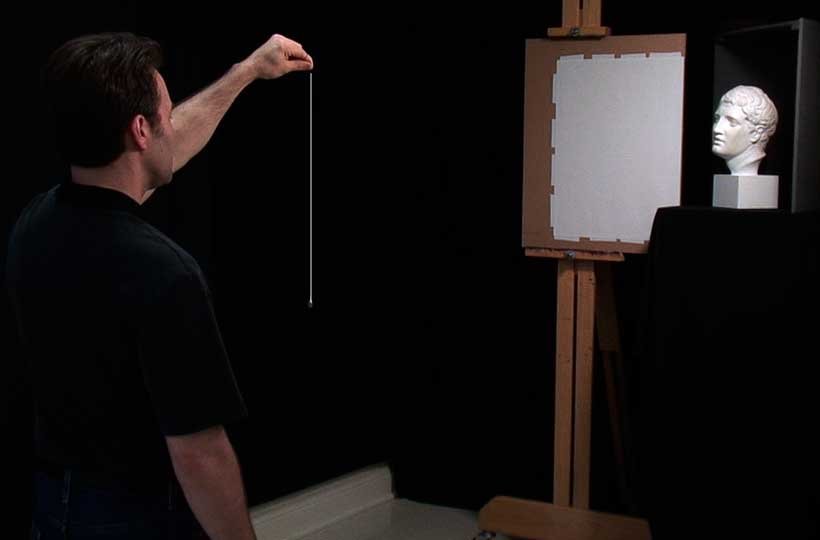
Hold your pencil up vertically or horizontally (a “plumb line”) to check alignments. If you hold it vertically from the corner of the eye, where does it fall? Does it touch the corner of the mouth? The edge of the nostril? Do the same with angles. What is the exact angle from the top of the ear to the eyebrow? By constantly checking these relationships, you build a more accurate map of the face. In addition, it prevents the facial features from drifting out of place while enhancing your ability to achieve the likeness.
Thanks to Darren Rousar for his plumb line demonstration above. Here’s a cool article on how to make your own plumb line by Mark Nortseth.
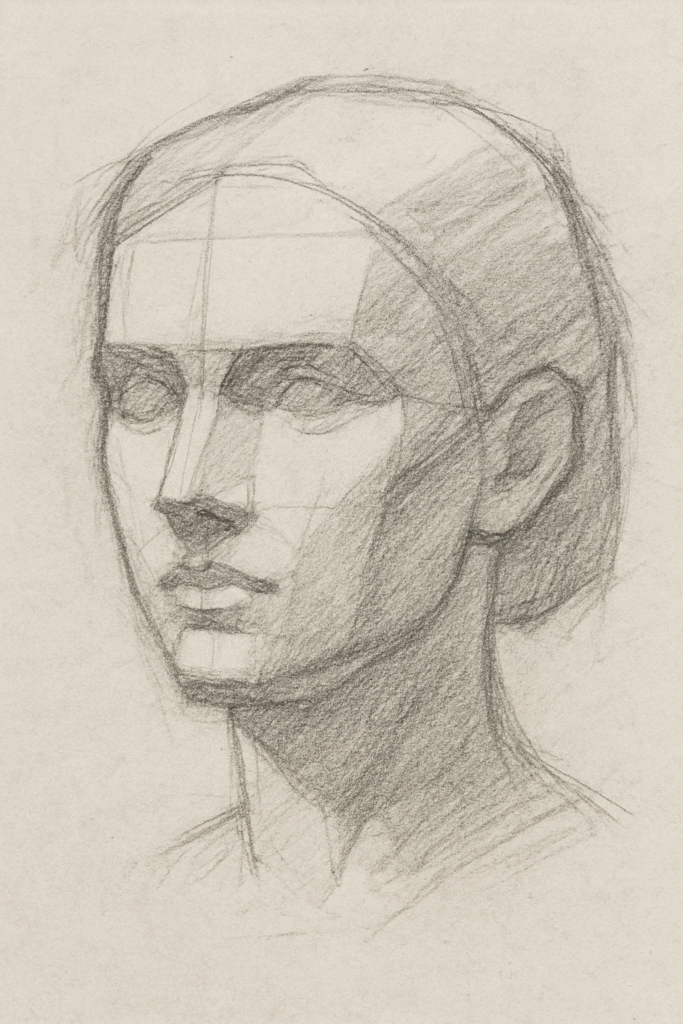
Secret #2: Embrace the “Ugly” Stage – The Block-In is Everything for Capturing Likeness In Portraits
So many beginners try to draw a perfect, finished eye before they’ve even mapped out the rest of the face. This is a recipe for disaster. Truthfully, great portrait art doesn’t start with pretty details; they start with an “ugly” block-in. You must work from general and big shapes then gradually arrive at the smaller specific details. Rest assured, if you rush towards drawing minute details too early, it’s sure to lead to frustration later on.
From Big Shapes to Small Shapes for Realistic Portraiture
Before you draw a single eyelash, block in the big, simple shapes. Observe the overall shape of the head. Secondly, study the big, abstract shape of the hair mass. What are the major shadow shapes on the face? If you get these big shapes right, the details will have a solid foundation to sit on. Conversely, if you get them wrong, no amount of beautiful rendering can save the drawing. As a result, your ability to capture the likeness of your subject will be difficult. For tools to help with initial sketching, get yourself a good quality set of graphite sketching pencils from Dick Blick.
The Magic of Negative Space in Achieving Resemblance
If you’re struggling to draw the shape of a nose, stop trying to draw the nose. Instead, draw the shape of the space *next to* the nose. This is called negative space drawing, and it’s a powerful way to trick your brain. Your brain doesn’t have a pre-programmed symbol for “the shape of the air next to a nose,” so it’s forced to see it as a pure, abstract shape, which you can copy much more accurately. This proven sight technique significantly aids in capturing likeness in portraits.
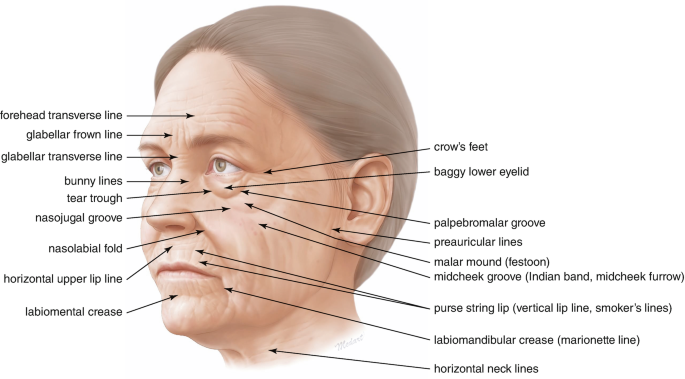
Secret #3: It’s All in the Nuances – Hunt for Unique Asymmetries in Capturing Likeness In Portraits
Rest assured, no human face is perfectly symmetrical. The pursuit of perfect symmetry is the enemy of likeness. The real character of a face is found in its beautiful, unique imperfections. Art is an endless discovery of not only the differences in facial features. You are also constantly observing the differences in angles, values, shapes, hue, value and chroma. Your job as an artist is to become a detective and hunt for these asymmetries associated with capturing likeness in portraits.
The “Twin Test”: Why Perfect Symmetry Kills a Likeness
If you take a photo of a person and mirror one side of their face in Photoshop, you create a perfectly symmetrical version. This “twin” will look related to the original person, but it won’t look like them. It will look strange and artificial. The subtle differences between the left and right sides of the face are what make us recognizable, and therefore crucial for capturing likeness portraits.
Your Asymmetry Checklist: What to Look For to Improve Portrait Accuracy
Start actively looking for the unique details of the face as you draw, . Is one eye slightly larger or higher than the other? Does one eyebrow have a higher arch? Is there a slight crook in the nose? Does one side of the mouth turn up more when they smile? These are not mistakes; they are the ingredients of a true likeness and observing them closely will elevate your ability for capturing likeness portraits.
Secret #4: The Telltale Edges – Where Character is Revealed in Capturing Likeness In Portraits
I spoke about this important aspect of drawing before in my article about 3D realism. The quality of your lines and transitions—your “edges”—says everything about the form. Is the subject’s jawline sharp and angular, or is it soft and fleshy? Is the transition from the cheekbone to the hollow of the cheek a smooth, gentle curve or a more defined plane? Pay attention to your edges. A hard, crisp edge suggests bone or tension, while a soft, blended edge suggests flesh and smooth transitions. Varying your edge quality is a subtle but powerful way to describe the unique structure of your subject’s face, which is paramount for conveying realism in portrait drawing.
Secret #5: Capture the Gesture, Not Just the Grid for Dynamic Portraits
A person is more than a static collection of features. They have energy, a posture, a way of holding themselves. This is the “gesture,” and capturing it is vital for a living portrait. Furthermore, it adds a dynamic quality that enhances the humanity which we can portray in our artwork.
The Tilt and Turn of the Head: Essential for Capturing Likeness In Portraits
Before you draw anything else, identify the overall tilt and turn of the head. Is the chin tilted up in defiance or down in thought? Is the head leaning in with curiosity? This overall gesture sets the emotional tone for the entire piece and is a huge component of likeness, especially for **capturing likeness portraits** that feel alive.
Micro-Expressions: The Windows to the Soul in Realistic Portraiture
Talk about the tiny muscle movements that create expressions. A slight pinch in the brow, a subtle curl of the lip. These are more important than rendering every eyelash. Indeed, these micro-expressions are often the key to unlocking the personality and portraying your subject. For comprehensive learning, consider the Introduction to Drawing and Painting course on Alison, which covers foundational skills including observation for likeness.

Secret #6: Squint! Your Secret Weapon for Seeing Values in Capturing Likeness In Portraits
Here’s a trick I learned in my freshman year as an illustration student at The School of Visual Arts. Squinting blurs out distracting details and helps you see the big, simple value shapes (the patterns of light and dark). Thanks to my painting teacher John Murray for introducing me to this technique of seeing. Likenesses are often found in the unique shape of the shadow under the nose or the pattern of light on the cheekbones, not in the tiny details. Therefore, make squinting a regular practice to improve your ability to capture a likeness in portrait.
Secret #7: The Uncanny Valley and How to Escape It for Better Portraits
The “uncanny valley” in drawing occurs when a portrait is almost, but not quite, realistic, leading to a disturbing or unsettling feeling. This is often caused by a mismatch: highly rendered details (like pores) on a structure with flawed proportions or value relationships. The solution for capturing likeness in portraits is to ensure the big shapes, proportions, and values are solid before adding fine detail. Don’t polish a flawed foundation; instead, build a strong one. My advice: look at the difference between the “studies” and the finished artwork of renowned artists. You’ll sometimes see the progression from big shapes in studies to the refinement of their art by focusing on small details in the finish.
Conclusion: Master Capturing Likeness Portraits with Practice
Achieving a likeness in art is a holistic process that combines keen observation, precise technique, and a bit of intuition. By diligently applying these seven secrets—focusing on relationships, embracing the block-in, hunting for asymmetries, controlling edges, capturing gesture, squinting to see values, and avoiding the uncanny valley—you will dramatically improve your ability to draw recognizable faces. This journey requires patience and consistent practice, but the rewards of bringing a subject to life on paper are immense.
Now it’s your turn! Try using the comparative measurement technique on your next portrait and tell us in the comments how it changed your process! And don’t forget to subscribe to my newsletter for more drawing tips, tutorials, and inspiration. Happy drawing!